Video style · Pop art
Pop art videos, printed plate by plate.
A pop art video tells a story in the language of sixties screen prints: flat red, yellow and blue, a heavy black key line, Ben-Day dots fixed to the paper, and the same image pulled again and again. It suits everyday objects, product posters and small data stories, because repetition, a wave of colour and a wall of copies all carry meaning.
- Example
- The Same Banana, 0:52
- Drawn with
- Code, no footage
- Works on
Last updated
The example, moment by moment
What happens in The Same Banana
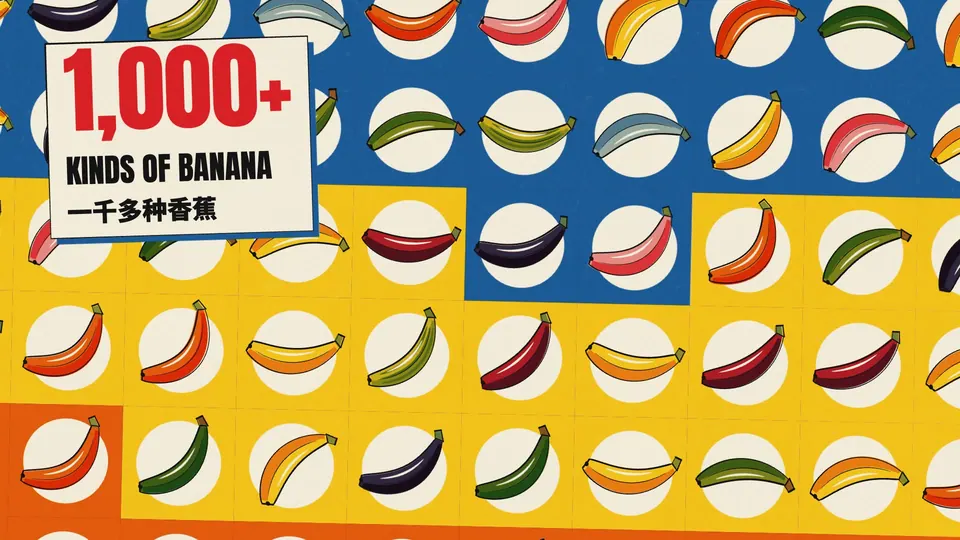
Almost every banana in the shops is one plant, copied. One poster becomes a wall of prints, the old banana's prints are eaten black by dots, and one tile flipping colour turns into a thousand kinds of banana that add up to one giant banana.
-
Dots as big as coins pull back until they resolve into one printed banana poster: the same banana.
-
The print is stamped again and again, faster, until a wall of identical copies: one plant, copied.
-
The camera pushes through the counter of a printed year into the 1950s, where dots rising from the soil eat the old banana's prints black.
-
The replacement banana is printed plate by plate, yellow, red, blue, then the black key, and stamped resistant.
-
A front of dots crosses the clone wall again, near silence, until one tile flips to a new colour and a wave flips the whole wall.
-
Pull back until each tile is a pixel of a giant banana drawn by the tiles' grounds, with the key line following the tile edges.
What the pop art look is made of
- 01
A printed object, not an illustration
Four plates, red, yellow, blue and a black key, on paper. Every middle tone is a dot screen. No gradients, soft shadows or transparency anywhere.
- 02
Dots live on the paper
The screen is fixed to the page at 45 degrees. The closer the camera, the bigger the dots, so distance and emphasis are told by dot size.
- 03
Repetition is meaning
The same print pulled edge to edge, each copy a little off in register and ink, stands for mass production, copies and sameness.
- 04
Whole-frame posters
Each shot is a complete composition, a poster, a sheet of prints or a wall, with big condensed type locked into the image and printed, never flown in.
- 05
Overprint colours
Orange is yellow plus red dots, green is yellow plus blue. Darkness is red and blue dots growing until the image drowns, never a black fill.
- 06
Telling, not a comic
No panels, speech balloons or acting characters. Information arrives as printed labels and headlines while a voice tells the story.
Best for
- Everyday-object explainers: food, packaging, habits
- Brand and product posters that move
- Small data stories about copies, spread or growth
- Campaign idents and countdowns
- Before-and-after walls in two colourways
Not for
- Soft, premium or minimal brands
- Stories that need characters acting
- Fine detail such as interfaces or mechanisms
- Long, narration-heavy lessons
Scene outline
How to make a pop art video in this style
Fill-in scripts: explainer video , data story video , before and after video
- 1 0–6 s
Dot pull
Open inside the dots of one shade and pull back until the print resolves. Name the subject in one printed headline.
- 2 6–16 s
Stamped copies
Stamp the print again and again into a wall, faster each ring. Say what the repetition means.
- 3 16–26 s
Through the letterform
Push through the counter of a printed number or word into the past, the cause or the comparison.
- 4 26–36 s
Plate by plate
Print the answer or the new version one plate at a time, key line last, and stamp a label on it.
- 5 36–44 s
Dots as data
Let a front of dots cross the wall to show something spreading, with a moment near silence.
- 6 44–52 s
Colour wave and mosaic
One tile flips colour, the wall follows, and the pull-back reveals the tiles as one bigger image.
When a story wants to be printed
Pop art’s subject has always been the mass-produced object, which makes the style a natural home for stories about things we buy without thinking: the banana that is one plant copied millions of times, the paper cup, the pill, the pair of jeans. Every move in the style is a printer’s move. Stamping the same image into a wall says copies. A front of dots crossing the wall says spread. One tile flipping to a new colourway says difference. If your story is about sameness, scale or a single exception, the medium does half the telling.
It is also a strong poster style for brands that already live in flat colour and bold type. A product printed plate by plate, yellow, then red, then blue, then the black key, is a launch in four beats, and every frame is a still you can post on its own.
Avoid it for subtle subjects. There are no gradients, no soft light and no small detail, so a mechanism, an interface or a delicate product loses what makes it interesting.
Writing for the plates
Decide what gets repeated and what spreads. The repeated thing is your subject, printed as one poster and then as a wall. The spreading thing is the change, told as dots growing across the prints. Then decide what the colourways mean, because a wall in one colour and a wall in many is the clearest before-and-after this style offers.
Write headlines, not dialogue. Information arrives as printed labels locked into the image, so every line should fit on a poster: three to six words, condensed, loud. The voice carries the rest.
Use the counter of a letterform as a door. Pushing through the hole of a printed 0 or O into the next print is how the style changes time or place without a cut.
Pacing and sound
Stamps land on the beat and get faster as the wall fills. Give the dot front a moment near silence, and spend the biggest sound on the tile that flips. Keep the dots fixed to the paper: a camera push makes them bigger, which is how the viewer knows how close they are.
How OpusCar fits
OpusCar renders scenes from code, so the dot screens, the plates and the wall of copies are generated from the script rather than drawn by hand, and a colourway swap is a palette change rather than a redraw. Bring the object and the one fact about it that surprises people. The script, voiceover, animation, captions and posting schedule follow in one flow.
Where a pop art video earns its place
Pop art explainer FAQ
What is a pop art video?
A pop art video is an animated video built in the visual language of sixties screen prints and poster art: flat primary colours, a heavy black outline, halftone dots and repeated images. It usually tells a short story about an everyday object, a product or a number, with a voice and printed headlines rather than characters.
Why is repetition the main move?
In print, the same image pulled many times is the medium's native gesture, and it carries meaning on its own: factory output, copies, sameness, a crowd. Changing one tile in a wall of copies is the strongest thing the style can do, which makes it a natural fit for stories about variety, change or a single exception.
Can I use my brand colours?
The style is built on three process colours plus black and paper, so a brand colour works best as the ground of one poster or as the colourway that flips the wall at the turn. Keep the key line black and the paper off-white, or the print stops reading as a print.
How long should a pop art video be?
45 to 55 seconds for a story with one turn, or a 10-second ident that stamps a single print into a wall. Because each shot is a full poster, the style also cuts cleanly into stills for the feed and for thumbnails.
More video styles
All 11 styles-
 0:40 Risograph print
Risograph brand story
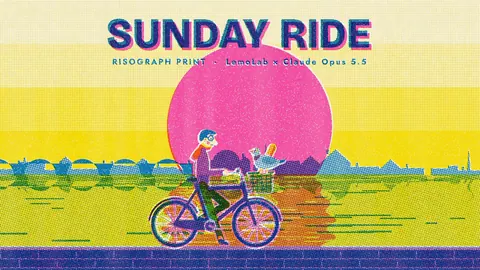
Sunday Ride: A lanky rider in round glasses cycles across town on a Sunday morning to eat breakfast by the river. The city starts in one ink, and each stop adds a plate until all three overprint and the film turns out to be one sheet sliding out of the printer. See the risograph animation -
 0:52 Bauhaus shapes
Finance explainer
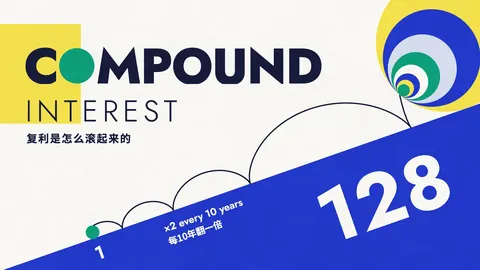
Compound Interest: One green dot doubles every ten years and becomes 128 after seventy; without compounding it would be 6.02, and the last ten years are worth all the rest. Every shape is drawn to scale. See the finance explainer video -
 0:48 Neon tubes
Mascot animation
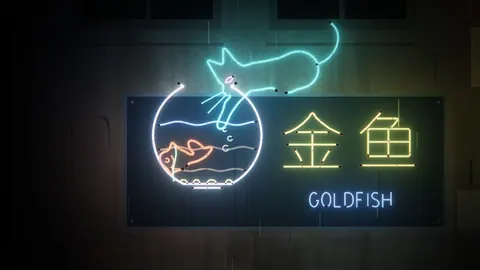
Midnight Snack: A neon cat on a café sign goes out for the goldfish on the sign at the end of the street, cracks its bowl, and runs the fading fish home through the rain to the goblet on its own sign. See the mascot animation video
Sign up
Make your first ten videos this week.
Sign up with your email and we’ll get you set up with OpusCar.
We’ll only email you about your account. No spam.